

Apple’s Vision Pro headset, launched in early 2024 at a premium $3,499 price point, has had a mixed reception since its debut. While the device pushed forward the idea of high-end mixed reality computing, it struggled to gain widespread consumer adoption. Now, Apple is continuing to iterate on the platform with its next major software update—visionOS 26—and one of the most noticeable improvements is in how users appear inside the system’s digital avatars, known as Personas.
From Launch Hype to Slow Reality Check
When Vision Pro first launched, it represented Apple’s bold entry into spatial computing. The headset combined augmented reality, virtual environments, and advanced eye-tracking into a single system meant to replace or extend traditional screens.
However, early reactions were far from universally positive. While the hardware impressed technically, many users found daily use awkward, uncomfortable, or socially isolating. The device also struggled with broader adoption beyond early tech enthusiasts and developers.
Despite that, Apple has continued refining the experience through software updates, and visionOS 26 represents one of the most significant visual and usability improvements yet.
Personas: Apple’s Digital Face Gets a Major Upgrade
One of the most talked-about features in Vision Pro is Persona, Apple’s system that generates a real-time 3D avatar of the user using the headset’s front-facing cameras. The system is designed for video calls, remote collaboration, and shared virtual environments.
To create a Persona, users scan their face using the headset and follow a setup process that builds a digital representation of their appearance.
At launch, the feature was widely criticized for its unnatural look. Early versions were described as stiff, lifeless, and visually unconvincing—especially in real-time meetings where facial expressions are important.
With visionOS 26, Apple has significantly upgraded the system:
- More realistic skin textures and shading
- Improved hair rendering and lighting response
- Better facial structure modeling, including side-profile visibility
- Enhanced virtual eyewear that integrates naturally with the face
- Reduced visual artifacts and “flat” appearance issues
The result is still not perfect, but noticeably closer to a believable digital representation of the user.
Even so, some uncanny valley effects remain. Facial expressions and eye movements can still appear slightly rigid, especially during dynamic conversations. But compared to the original release, the improvement is substantial.
Video Calls in VR: Less Awkward, More Functional
Persona avatars are primarily used for communication, particularly video calls in virtual environments. In earlier versions of Vision Pro, many users reported awkward social reactions due to the unnatural appearance of their avatars.
With the updated Personas, interactions feel more stable and less distracting. While not fully indistinguishable from reality, the avatars are now more usable in professional and social settings, especially for remote meetings.
This shift matters because Apple has positioned Vision Pro not just as an entertainment device, but as a potential productivity platform for work, collaboration, and remote presence.
visionOS 26 Introduces Spatial Widgets That Stay in Place
Beyond avatars, visionOS 26 introduces another major feature: spatial widgets that persist in physical space.
These widgets—such as clocks, calendars, photos, and music controls—can now be placed around a user’s real environment. Once positioned, they remain anchored in place even after the headset is restarted.
The system works by building a spatial map of the user’s surroundings, stored locally on the device for privacy. The headset remembers where each widget was placed and restores them when the user puts it back on.
This creates a hybrid environment where digital elements become part of a persistent physical layout.
Examples include:
- A clock pinned to a wall
- A calendar floating near a desk
- A photo frame that expands visually as you approach it
- Media controls placed in specific rooms
Users can effectively turn their home into a customizable mixed-reality workspace.
A Home That Becomes a Digital Interface
One of the more ambitious ideas behind Vision Pro is the concept of a “spatial operating system,” where apps are no longer confined to windows but are instead anchored in real-world space.
With visionOS 26, Apple pushes this idea further. Users can arrange their digital environment across different rooms—placing Safari in one area, Apple TV in another, and productivity tools elsewhere.
This turns everyday movement into part of the interface itself. Walking from room to room becomes a way of navigating digital content.
While conceptually impressive, it also raises questions about how deeply users want to integrate computing into physical life.
Mixed Reality Social Interaction: Still an Unusual Experience
Apple continues to explore shared spatial experiences, including:
- Multi-user 3D object interaction
- Shared virtual movie watching
- Collaborative spatial games
In these scenarios, multiple Vision Pro users can exist in the same virtual space while physically located in the same room.
However, the social reality of this concept remains uncertain. The idea of people sitting together wearing headsets while watching a virtual screen has been met with skepticism, even among observers within the industry.
Critics question whether replacing traditional shared experiences like TVs or physical gatherings is necessary—or even desirable.
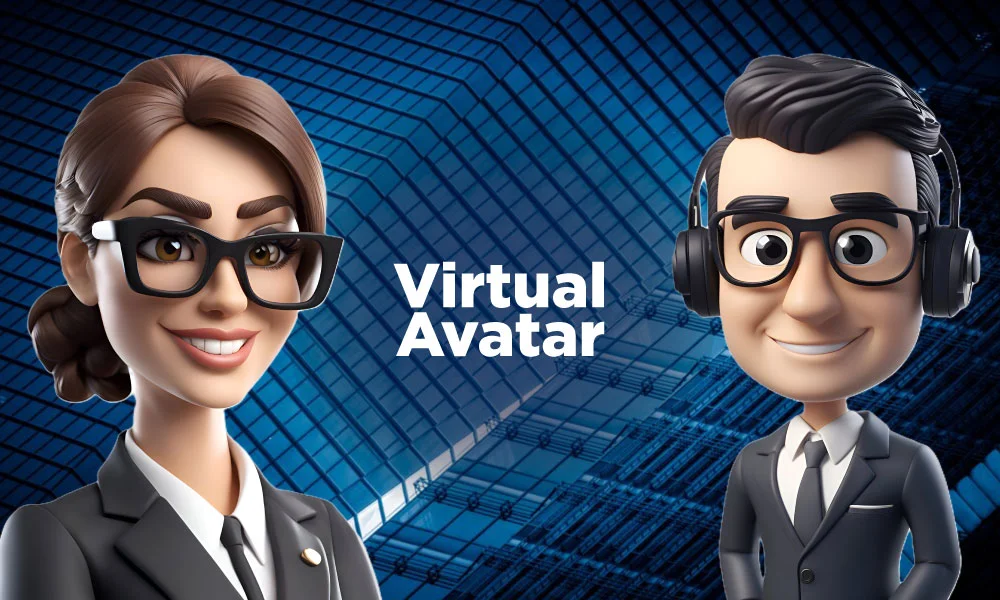
The Identity Problem: Living Behind a Digital Face
A recurring theme in Vision Pro discussions is the psychological effect of using a digital avatar in everyday communication.
Apple has not significantly changed its core philosophy: users are expected to become comfortable interacting through a spatialized digital version of themselves.
This raises an ongoing tension between immersion and social presence. While Personas are now more realistic, they still sit in a space between human expression and synthetic reconstruction.
For some users, this enhances communication. For others, it reinforces the feeling of artificial separation.
Apple’s Strategy: Keep Iterating Despite Slow Adoption
Despite mixed reviews and slower-than-expected adoption, Apple appears committed to continuing development of Vision Pro and visionOS.
Reports suggest the company is also exploring:
- A lower-cost version of Vision Pro
- Lighter headset designs
- Future smart glasses projects
The long-term goal seems to be making spatial computing more accessible and less physically demanding, while refining the software experience in parallel.
Conclusion: Better Avatars, Same Big Question
visionOS 26 represents a meaningful step forward in refining Apple’s mixed reality vision. Personas look better, spatial widgets are more practical, and the overall system feels more cohesive than before.
But the broader question remains unchanged: how many people actually want to live part of their digital life through a headset?
Apple is clearly betting that the answer will grow over time. For now, Vision Pro is becoming less of a prototype—and more of a slowly evolving platform searching for its mainstream moment.

