

A New Chapter for Mobile Innovation
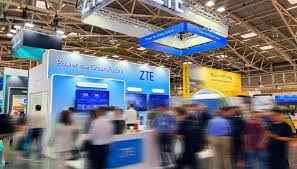
At MWC Shanghai 2026, ZTE made a confident and highly strategic statement about the future of mobile technology by presenting the latest evolution of its “AI + Gaming” ecosystem. Rather than focusing on a single flagship product, the company demonstrated a comprehensive vision that blends high-performance gaming hardware with advanced artificial intelligence capabilities, all integrated into a broader smart lifestyle ecosystem.
At the heart of this presentation stood the new Nubia Neo 5 series, a lineup designed not only to deliver powerful gaming performance but also to make professional-level mobile esports experiences accessible to a wider, younger audience. The showcase reflected a clear industry trend: smartphones are no longer just communication tools—they are becoming intelligent companions and high-performance entertainment platforms.
Nubia Neo 5 Series: Gaming Power Meets Accessibility
The Nubia Neo 5 lineup represents ZTE’s ambition to democratize high-end gaming features. Instead of limiting premium capabilities to flagship devices, the company is pushing advanced technologies into more affordable segments.
During the exhibition, ZTE introduced four new models:
- Nubia Neo 5 GT Special Edition
- Nubia Neo 5 GT MVP Edition
- Nubia Neo 5 Max
- Nubia Neo 5 Max MVP Edition
Each device builds on a shared philosophy: delivering immersive, competitive gaming experiences without compromising usability or design.
The Nubia Neo 5 GT series, in particular, stands out with its focus on performance and precision. Equipped with an integrated active cooling fan, dual shoulder triggers, and optimized game tuning, these devices are clearly designed with competitive players in mind. The inclusion of four-finger control mechanics further enhances gameplay, allowing for more complex and responsive input—something typically reserved for dedicated gaming hardware.
What makes this approach notable is how ZTE integrates vertical AI capabilities directly into the gaming experience. Instead of treating AI as a separate feature, it becomes part of performance optimization, thermal management, and user interaction.
Advanced Cooling Redefines Mobile Performance
One of the most technically impressive highlights of the presentation was the introduction of the “Liquid + Air” dual active cooling system in the Nubia Neo 5 GT Special Edition.
This hybrid solution combines traditional fan-based cooling with a liquid-based thermal system, allowing the device to maintain stable performance even under intense gaming conditions. In an era where mobile games demand increasingly high processing power, thermal efficiency has become a defining factor—and ZTE is clearly positioning itself ahead of the curve.
The result is sustained peak performance without the typical throttling that affects many smartphones during long gaming sessions. This makes the device particularly appealing not just to casual players, but to competitive users who require consistency and reliability.
Nubia Neo 5 Max: A New Category of PadPhone
Perhaps the most intriguing concept introduced at the event was the Nubia Neo 5 Max, which ZTE describes as a “PadPhone”—a hybrid between a smartphone and a tablet.
With its 7.5-inch display, the device offers a significantly larger viewing area than traditional smartphones, enabling a more immersive gaming and multimedia experience. At the same time, it retains the portability and touch-based interaction of a handheld device.
This combination creates a new usage scenario: a device that feels like a gaming console, performs like a high-end smartphone, and delivers the visual experience of a tablet. The inclusion of shoulder triggers, enhanced audio, and advanced cooling further strengthens this positioning.
The MVP Edition of the Neo 5 Max adds a unique design layer inspired by football aesthetics, emphasizing texture, grip comfort, and visual identity—an example of how hardware design is becoming part of user engagement and brand storytelling.
The NeoVerse Ecosystem: Beyond the Smartphone
ZTE’s strategy goes far beyond standalone devices. Alongside the Neo 5 series, the company introduced the NeoVerse ecosystem—a collection of accessories designed to enhance the overall gaming experience.
This ecosystem includes:
- Game controllers
- Wireless earphones
- Speakers
- External cooling fans
Together, these components create a more complete and customizable gaming environment. Instead of relying solely on the smartphone, users can build a setup tailored to their preferences, whether they prioritize audio immersion, control precision, or extended performance.
This approach reflects a broader industry shift toward ecosystem thinking, where value is created not just by individual products but by how they interact with each other.
AI-Native Innovation: The Nubia M153
Beyond gaming, ZTE placed significant emphasis on artificial intelligence as a core driver of future innovation. One of the most forward-looking products showcased was the Nubia M153, described as an AI-native smartphone.
Unlike traditional devices where AI features are limited to assistants or camera enhancements, the M153 introduces an “autopilot” concept powered by OS-level agent capabilities. This means the device can understand complex user requests in natural language and execute multi-step tasks across different applications.
For example, a single voice command can trigger a sequence of actions such as searching for a restaurant, comparing prices, making a reservation, and generating navigation directions. The user no longer interacts with individual apps—the AI handles the process end-to-end.
This represents a fundamental shift in how people interact with technology: from manually controlling apps to delegating tasks to intelligent systems.
Emotional AI: The Introduction of iMoochi
Another notable innovation presented by ZTE was iMoochi, an AI-powered companion designed to bring emotional interaction into the digital space.
Unlike traditional virtual assistants, iMoochi focuses on emotional responsiveness. It can detect the user’s mood through voice and touch, responding with expressive movements, eye contact, and its own unique communication style.
This concept highlights a growing trend in AI development: moving beyond functionality toward companionship and personalization. As technology becomes more integrated into daily life, emotional engagement may become just as important as efficiency.
Flagship Excellence: Nubia Z80 Ultra
ZTE also showcased the Nubia Z80 Ultra, a flagship device that combines high-end performance with advanced AI-enhanced imaging capabilities.
Featuring a fifth-generation 35mm custom optical camera system, the device is designed for users who prioritize photography and content creation. The integration of AI into the imaging process allows for improved scene recognition, optimization, and creative control.
In addition, the device is powered by a next-generation Snapdragon platform and features a full under-display camera (UDC) design, offering a truly uninterrupted screen experience—ideal for gaming, media consumption, and photography.
Expanding Into the Live-Streaming Economy
Recognizing the rapid growth of content creation and live streaming, ZTE introduced the TOPFLOW device as part of its ecosystem.
Designed for mobile professionals and streamers, TOPFLOW integrates video capture, real-time enhancement, and multi-platform broadcasting into a single solution. With support for up to 64 connected devices and a large built-in battery, it is built for extended outdoor use.
The inclusion of a triple cooling system—combining liquid, air, and graphene technologies—ensures stable performance during long streaming sessions. This positions TOPFLOW as a practical tool not only for professionals but also for beginners entering the live-streaming space.
A Broader Vision for Intelligent Living
What ties all these innovations together is ZTE’s broader vision of a full-scenario AI ecosystem. The company is not just building devices—it is creating an interconnected environment that supports work, entertainment, communication, and daily life.
By integrating AI into every layer of the user experience, from gaming performance to task automation and emotional interaction, ZTE is redefining what a modern smart device can be.
Conclusion: A Strategic Step Forward
ZTE’s presentation at MWC Shanghai 2026 was more than a product launch—it was a clear demonstration of strategic direction. By combining gaming expertise with AI-driven innovation, the company is positioning itself at the intersection of two of the most influential trends in the tech industry.
The Nubia Neo 5 series, along with the broader ecosystem, reflects a shift toward more immersive, intelligent, and user-centric technology. As competition in the mobile market continues to intensify, this integrated approach may prove to be a key differentiator.
If this showcase is any indication, the future of smartphones will not be defined by hardware alone, but by how seamlessly intelligence, performance, and experience come together.

